What Kind Of Damage Can Falling Tree Limbs Cause?
October 17, 2018
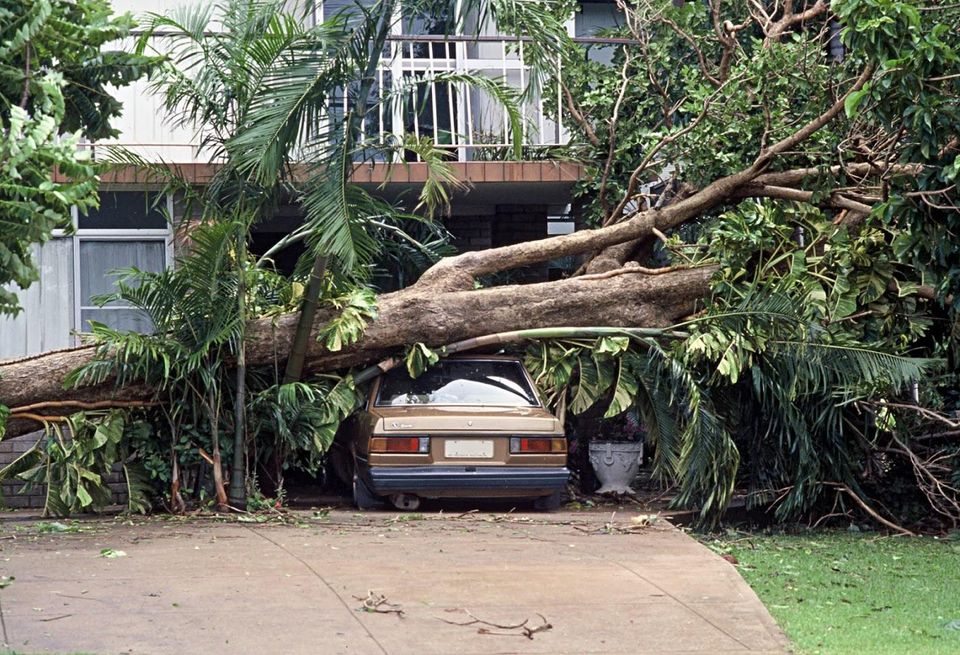
Even if you live on a property with just a few mature trees, those living features add a lot of value to the property. Unfortunately, mature trees with large and heavy limbs also create new and distinct risk factors for damage and injuries as they age.
You have no need to cut down every mature tree around your home just to enjoy the peace of mind of knowing your yard and home are safe from falling limbs. Deadwooding injured and dead limbs can prevent all six of these common forms of tree limb damage.
1. Physical Injuries
2. Home Damage
Planting trees close to the home provides essential cooling thanks to shade. Yet many trees that seem properly spaced during the initial planting end up growing too close to the home, eventually spreading branches and limbs directly over parts of the structure.
One falling limb can take out an entire side of a home's roof or collapse part of a wall to expose your home's interior to the outside world. Home insurance policies cover most cases of tree damage, but if your insurance provider can prove you knew the tree was in bad shape and you failed to deal with it, you may end up having to pay for the repairs out of pocket in some states.
3. Utility Interruption
Don't discount the cost and trouble a loss of power or another important utility causes. Most homes feature aboveground electrical, internet, phone, and other lines that connect to a nearby pole or power station. Falling limbs and branches easily take out any nearby utility lines, especially when high winds move limbs horizontally at high speeds as the limbs fall.
Losing power for even just a few hours can cause your food to spoil, damage items you have in storage, or threaten the health of pets, in addition to interrupting your daily routine. A loss of heating in the winter may leave you shivering until the utility company can repair the damage. Trimming any limbs or branches growing near hanging utility lines is a much smarter approach.
4. Vehicle Destruction
Windshields and vehicle windows can resist most impact forces, but large tree limbs easily overcome the strength of the glass. You can't even drive a car with a shattered windshield or back window to the repair shop and must pay for towing, along with professional cleaning to remove the glass shards.
Limbs also dent car roofs and trunks and may even break lights or sunroofs. Dealing with problem limbs before they show signs of eminent drop will protect any vehicles parked on your property.
5. Landscape Effects
One tree with multiple dead or dying limbs can damage dozens of other trees, plants, and shrubs as it drops massive chunks of wood onto your property. Limbs that intertwine with nearby trees can rip entire smaller trees out by the roots as they fall out.
6. Liability Concerns
Finally, you may have to pay for damage to a neighbor's property if a tree on your property drops a limb onto their yard, home, or car. Even if your home insurance policy pays for the damages, your deductible will likely result in at least some money coming out of your pocket for the repairs.
Maintain your mature trees the right way with deadwood trimming services from us here at Kaily's Tree Service. We can identify all unhealthy or dead limbs and crowns and trim your trees to reduce the chance of limb and branch drop damage as much as possible.
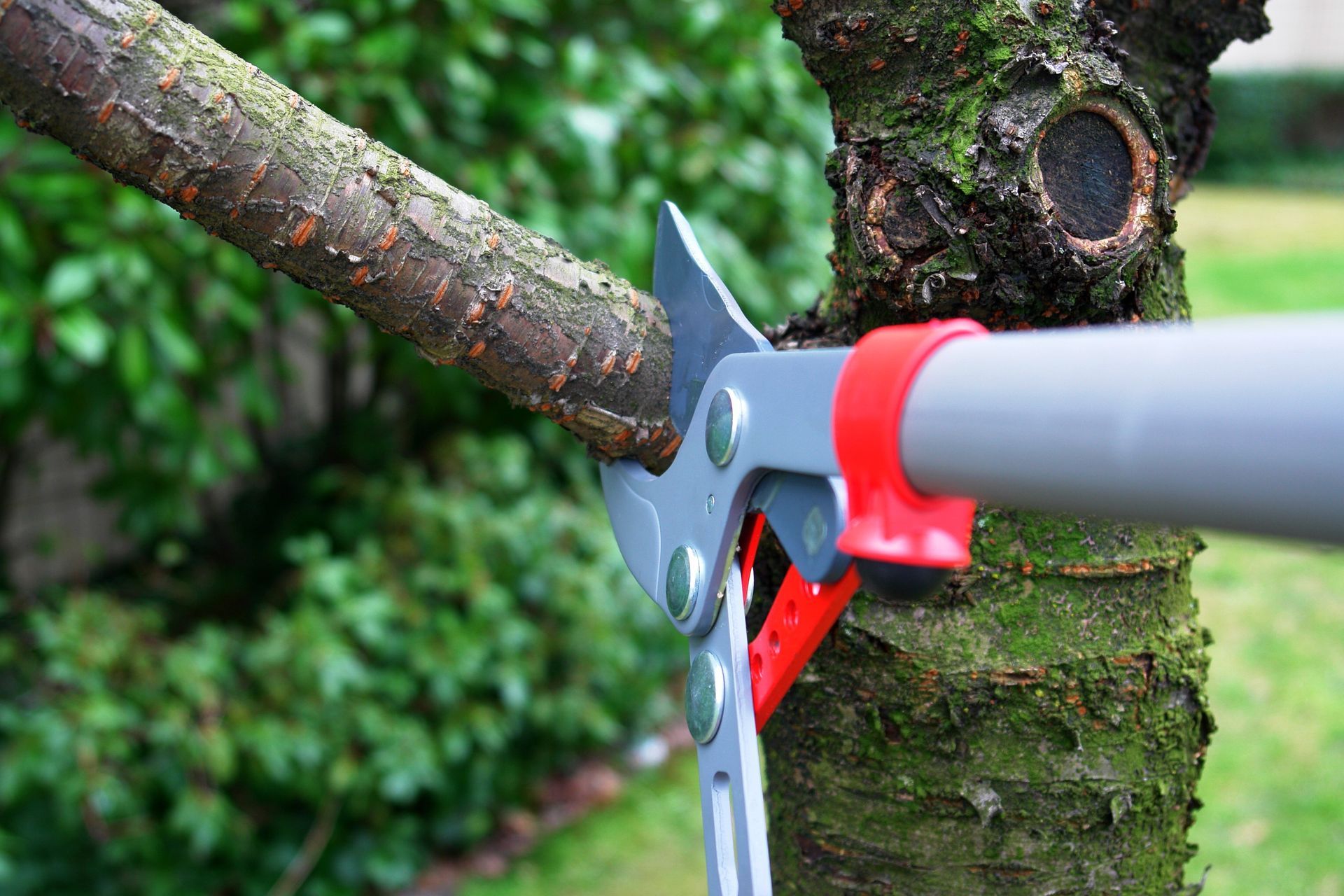
Quick answer: Late winter through early spring (roughly January–March), while trees are dormant, is the best time for most tree trimming in Nashville and Franklin, TN. Oaks specifically should be trimmed between November and February to avoid oak wilt season. Flowering trees like dogwoods and redbuds should be trimmed right after they bloom in spring. Avoid heavy trimming in late spring and summer when trees are actively growing, unless it's a safety issue.
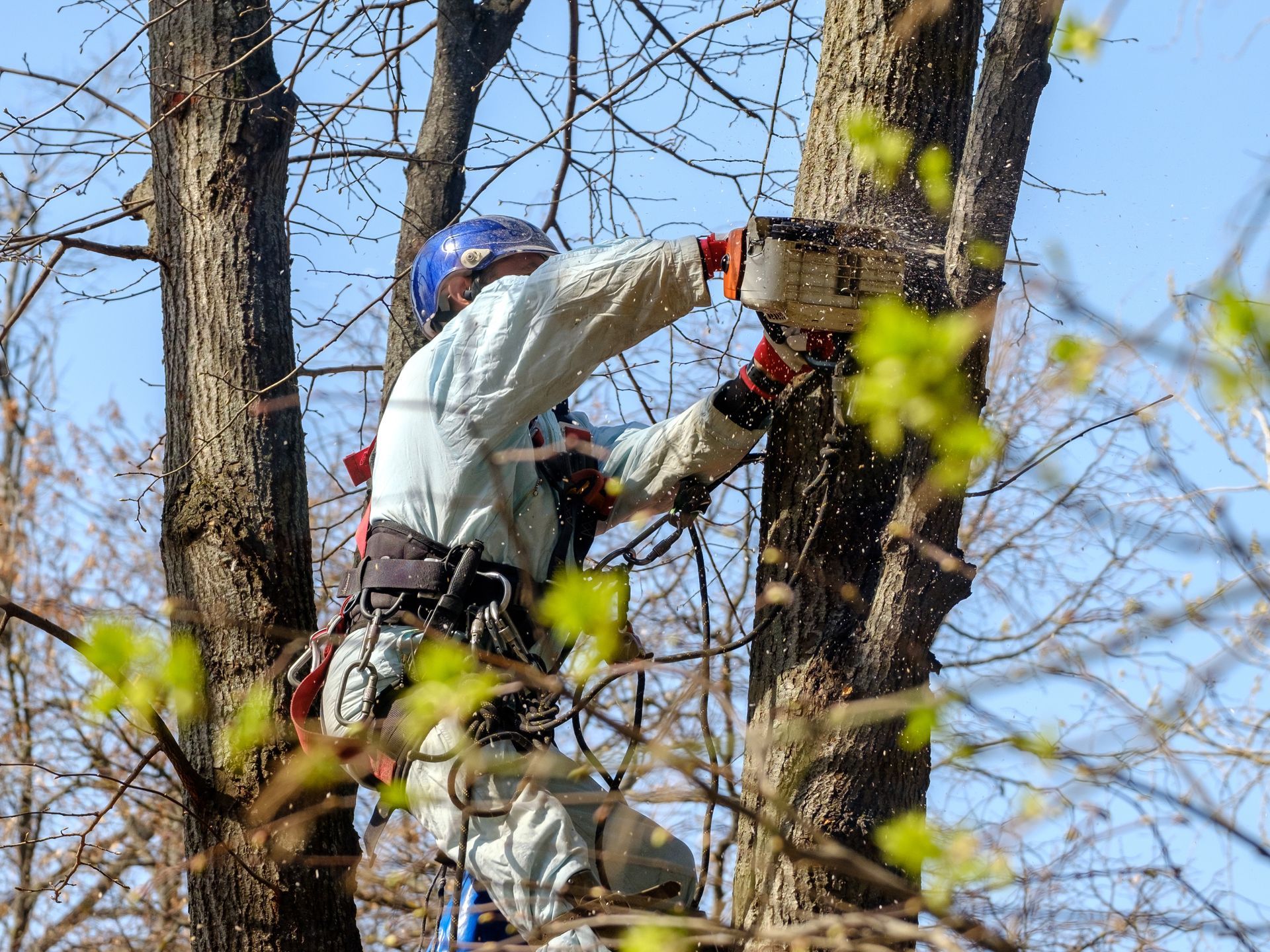
Quick answer: In Franklin, TN, a permit is required to remove trees on commercial, industrial, or multi-family properties of any size, and on single-family lots larger than one acre. Single-family lots of one acre or less generally do not require a permit. In Nashville (Metro Davidson County), residential tree removal on private property typically does not require a permit either, but rules can apply near rights-of-way, in conservation zones, or under an HOA. Always confirm with your local building department before removal, especially for large or commercial properties.
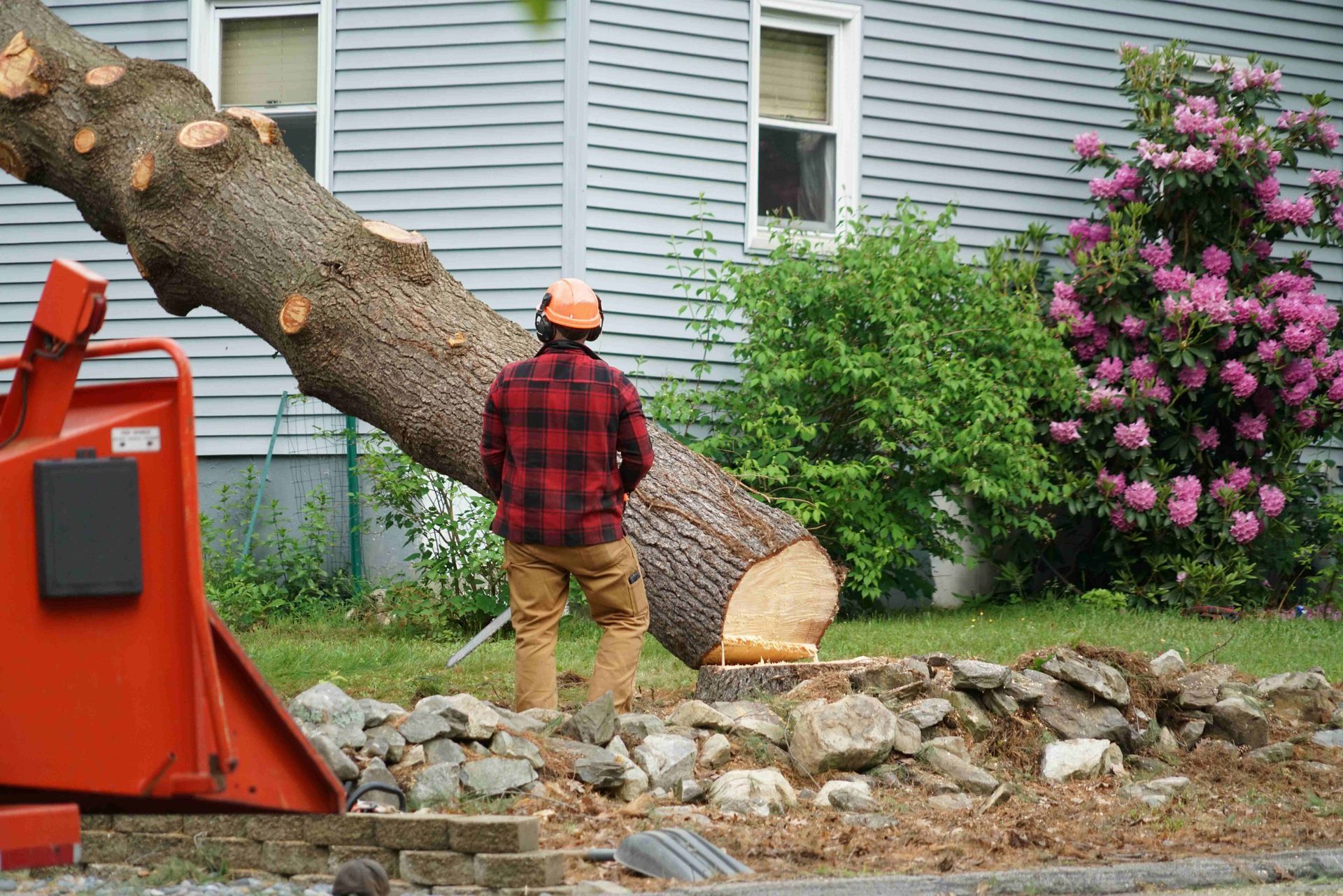
A tree just fell on your house in Franklin, TN. Here’s exactly what to do — step by step. Safety, insurance documentation, and when to call for emergency tree removal.
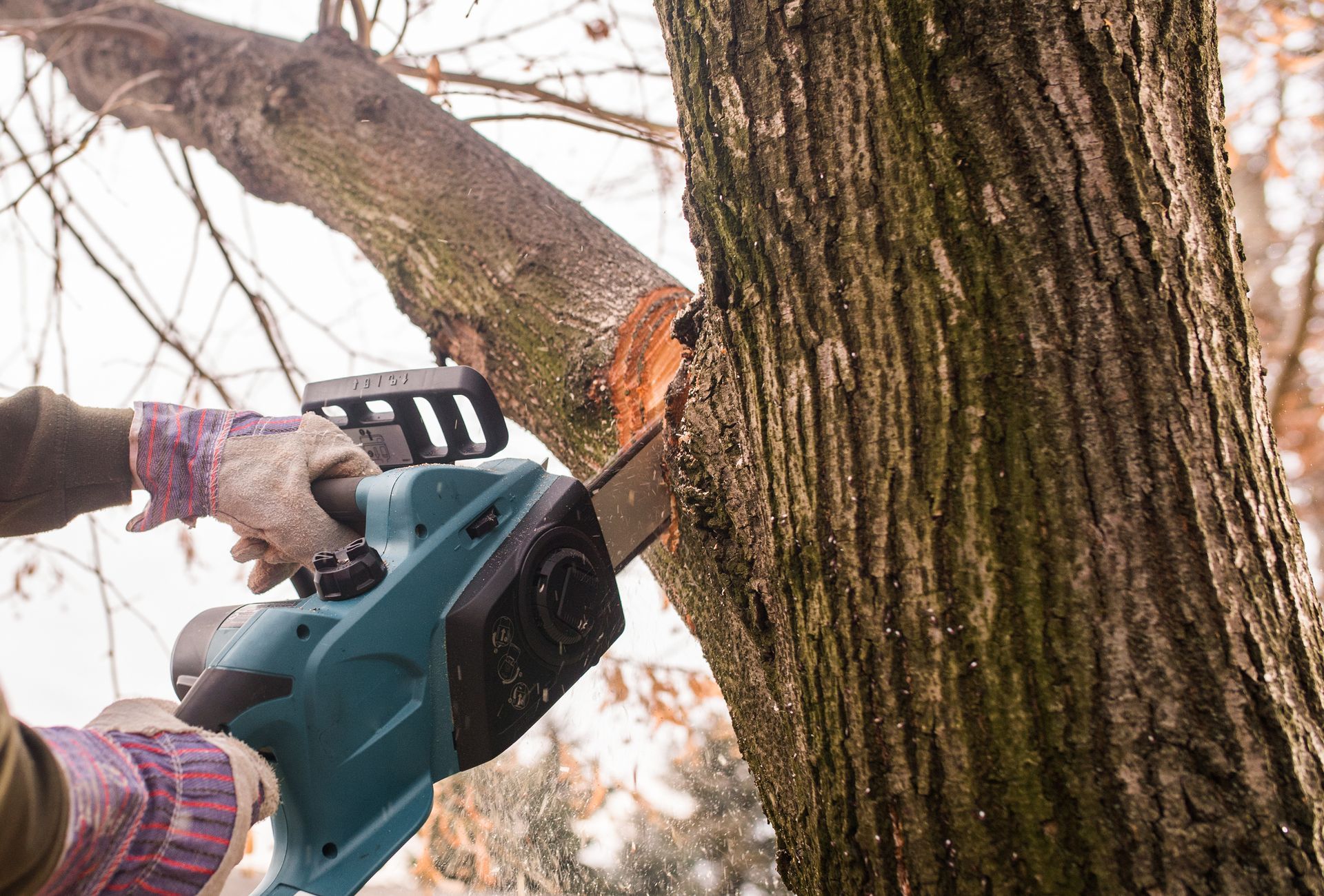
Discover why expert tree trimming in Franklin, TN, protects your property year-round. Learn tips with Kaily’s Tree Service. Click to read more now!
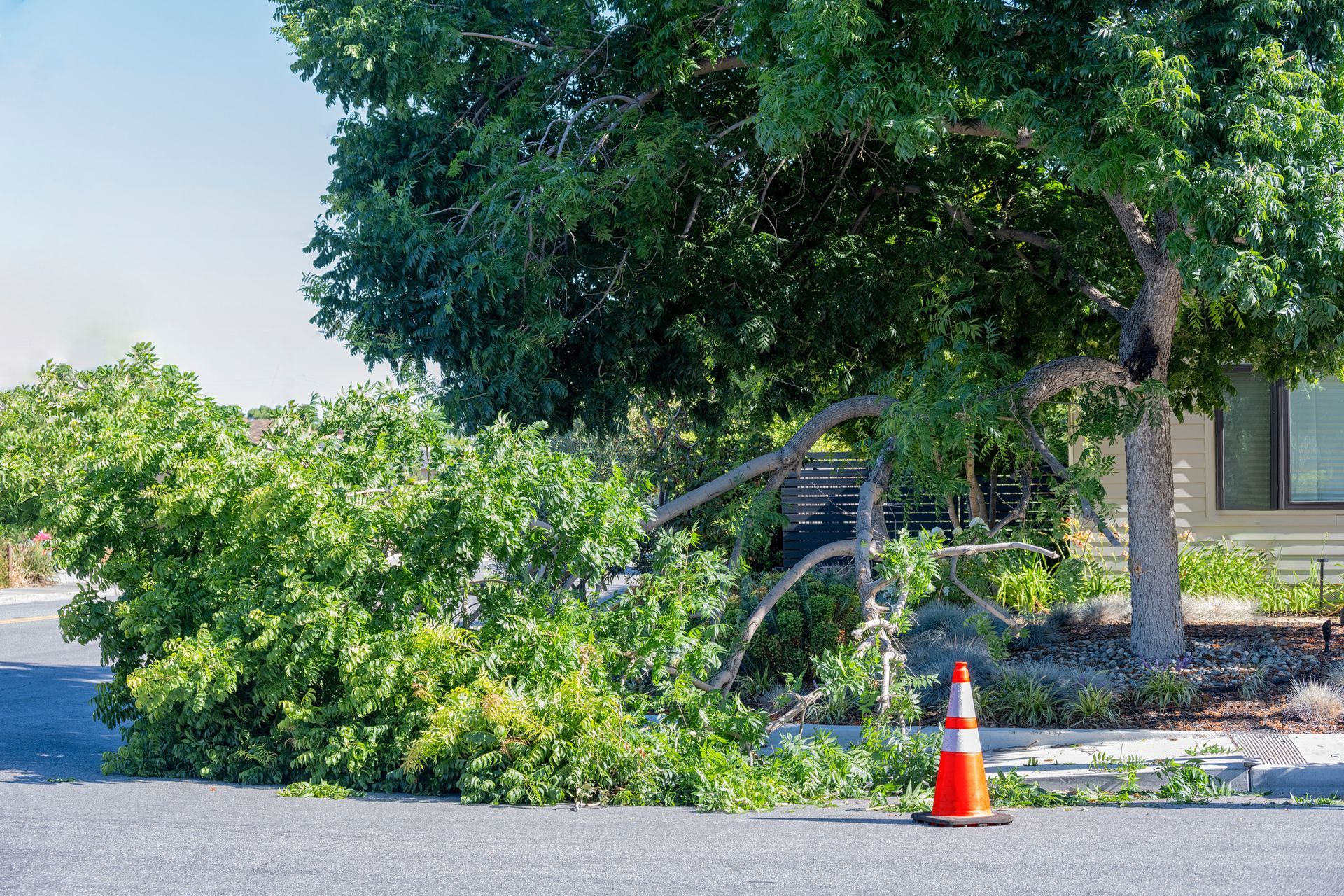
Trust Kailys Tree Services for fast emergency tree removal in Nashville, TN. Call 615-496-1542 today for reliable 24/7 tree care and storm damage cleanup.
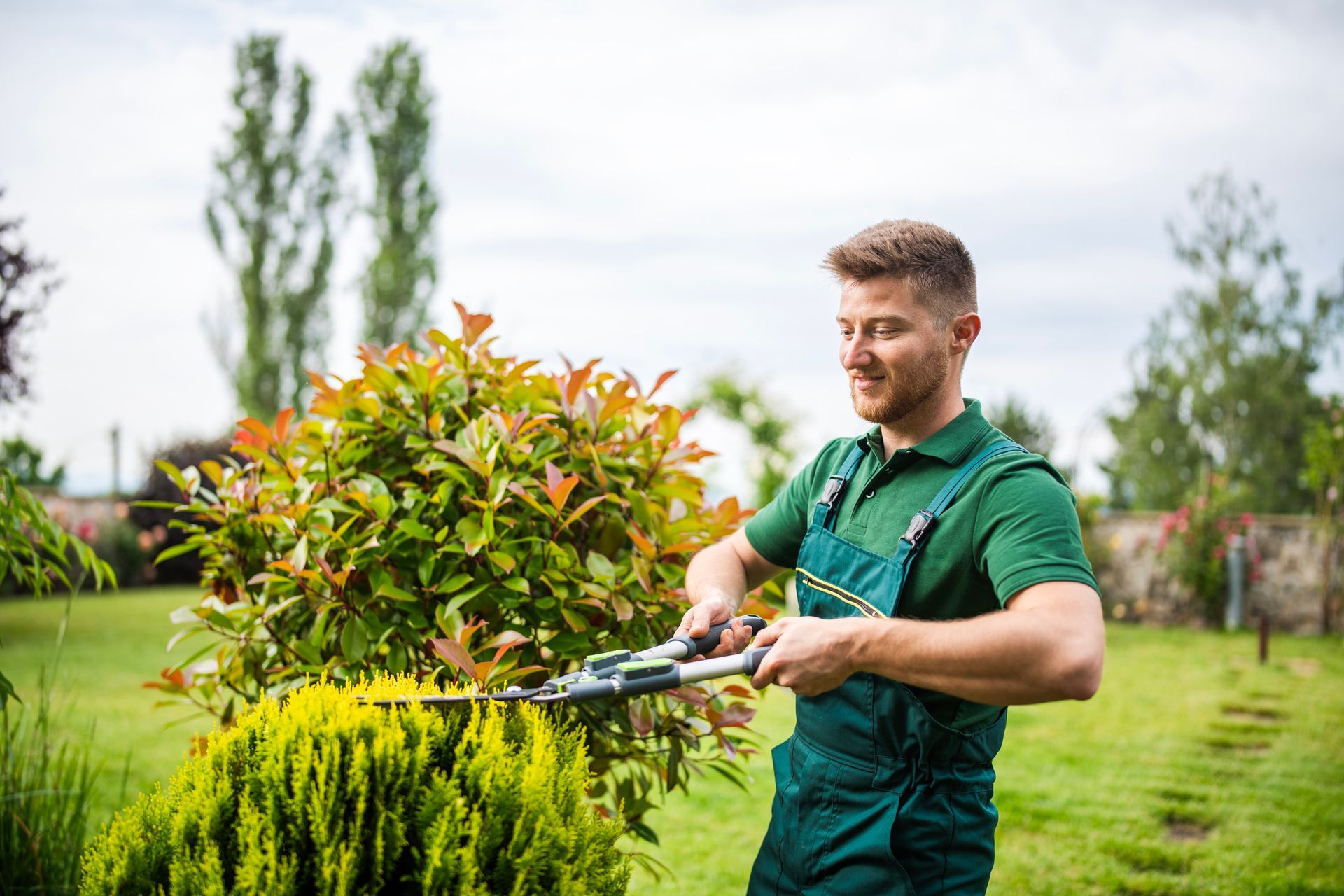
Enhance your landscape with expert tree trimming in Nashville, TN. Contact Kaily’s Tree Service at (615) 496-1542 for healthy, beautiful trees year-round.
Read about five parts of your tree a tree expert may assess, along with what these components can tell your tree expert about your tree's health and its needs.

While existing trees are valuable to your property, you may want to sell your trees for timber. Learn more about whether selling is worth it on our blog.

Healthy tree groves provide a number of benefits to your property. Take a look at what every property owner should know about tree groves.

Trees can be a particularly striking feature of any home's landscape, so read our blog to what diseases are a danger to your trees.